
Eggs have long been a staple in our diet – valued for their flavor, versatility, and nutrient density. However, much controversy has arisen around them, particularly regarding their impact on cholesterol levels. How many eggs can you eat a day without harming your health? Do they actually cause cholesterol to rise? Which egg dishes are worth including in your menu?
Contents:
- Egg nutritional bomb
- Do eggs raise cholesterol?
- How many eggs should you eat a day?
- Dishes with eggs
- Why is it worth eating eggs?
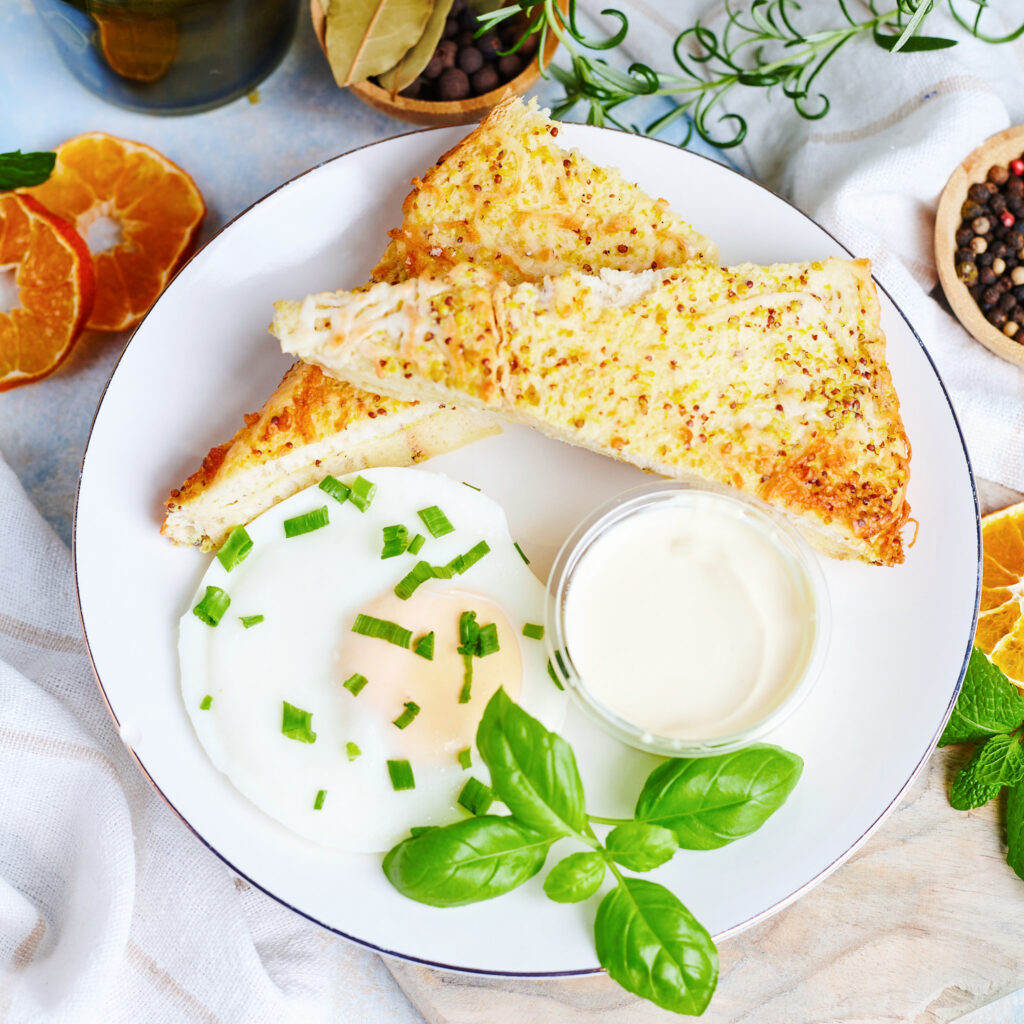
Egg – a nutritional bomb
Just one egg can be called a nutritional powerhouse, packed with valuable nutrients. An egg provides approximately 70-80 kcal and contains:
- complete protein (about 6–7 g),
- vitamins A, D, E, B12, B2,
- iron, zinc, phosphorus and selenium,
- calcium and potassium
- cholesterol (approx. 200 mg)
- essential fatty acids that the body cannot produce on its own, including omega-3 and omega-6.
Do eggs raise cholesterol? How many eggs should you eat for good health?
This ingredient is the most controversial. For many years, it was believed that eating eggs led to an increase in "bad" LDL cholesterol and increased the risk of heart disease. However, today, this theory has significantly fewer supporters. As it turns out, the main culprits for high LDL cholesterol are saturated fats and trans fats from processed foods, mainly sweets.
It is a fact that eggs contain cholesterol. However, it turns out that dietary cholesterol intake has a much smaller impact on blood cholesterol levels than previously thought.
Safe amount – how many eggs can you eat a day?
So how many eggs can you eat now that they've been cleared of the "bad cholesterol" accusation?
• According to research, eating 1-2 eggs a day by healthy adults doesn't cause significant changes in cholesterol levels or increase the risk of cardiovascular disease.WHO (World Health Organization) recommends eating 12 eggs a week.
• The situation is different if someone has been diagnosed with hypercholesterolemia or other metabolic disorders. In that case, they should discuss with their doctor or dietitian how many eggs they can eat daily.
If the diet is varied and based on vegetables, whole grains, healthy fats, and a moderate amount of meat, eggs are a valuable part of it.
Ideas for egg dishes
Jajka to jeden z najbardziej uniwersalnych składników w kuchni. Można je przygotować na wiele sposobów – zarówno na słono, jak i na słodko. Oto kilka pomysłów:
• Jajka na twardo – idealne do sałatek (np. sałatki jarzynowej czy z tuńczykiem).
• Jajka na miękko – lekkie śniadanie z pełnoziarnistym pieczywem.
• Jajecznica – klasyka, do której można dodać pomidory, szczypiorek, szpinak czy awokado.
• Omlet – z warzywami, serem, łososiem lub ziołami.
• Szakszuka – jajka gotowane w sosie pomidorowym z cebulą i papryką.
• Jajka w koszulce – elegancka propozycja np. do grzanek z pastą z awokado.
• Frittata – pieczony omlet z dodatkami.
• Naleśniki, ciasta i kluski – wiele potraw mącznych zawiera jajka jako składnik ciasta.
W wielu naszych dietach wykorzystujemy jajka jako bombę odżywczą. Jajka są doskonałym źródłem białka dla osób aktywnie uprawiających sport, aktywnych – dlatego znajdziecie jajka np. w naszej diecie dla sportowców
Why is it worth eating eggs?
- They are a source of protein – eggs are one of the best sources of protein with high bioavailability. They are especially valuable in weight-loss diets, sports diets, and for seniors.
- They give a feeling of satiety – this helps with weight control and reduces hunger pangs.
- Beneficial fat – eggs contain primarily unsaturated fats, which are beneficial for health. However, it's worth remembering that scrambled or fried eggs can become fatty if fried in large amounts of fat. Therefore, one or two eggs a day is a safe amount and a valuable element of a balanced diet. The myths about eggs being harmful to the heart have largely been debunked, although people with health problems should exercise caution and consult a doctor. Eggs are not only a breakfast classic, but also a versatile ingredient in many delicious dishes – it's worth taking advantage of their culinary potential.

